
Michelle Tea’s Rent Girl isn’t a memoir you read for comfort. It’s a book that grabs you by the collar and says, Here’s what it really looked like. No glamor. No redemption arc wrapped in a bow. Just a young woman named Michelle, broke and bruised, walking the streets of 1990s San Francisco, trading sex for rent, food, and the barest sense of safety. This isn’t fiction. It’s a map of survival written in sweat and blood, and it still echoes today - in alleyways, in shelters, in the quiet corners of cities where people do what they have to do to keep breathing.
There’s a strange kind of irony in how society treats sex work: criminalize it, then ignore it until someone gets hurt. Or worse - turn it into a fantasy. You’ll find ads for cheap escort in dubai popping up on sites that look like travel blogs or fashion portals, selling intimacy as a luxury service. Meanwhile, real people like the ones Tea writes about are left out in the cold, labeled as broken, or worse, invisible. The contrast is brutal. One side is polished, marketed, and monetized. The other is lived, hidden, and often punished.
What It Actually Looked Like
Tea doesn’t romanticize. She doesn’t pretend she was a victim who stumbled into this life by accident. She was 19, queer, broke, and had no safety net. Her mother was gone. Her father was distant. College? Not an option. So she started knocking on doors, offering herself for cash. Some clients were kind. Some were cruel. Some didn’t even take their shoes off. She writes about the way her body changed - how she learned to shut down emotionally just to get through the night. She writes about the shame that clung to her like a second skin, even when she knew she wasn’t doing anything wrong.
There’s a moment in the book where she describes buying a pair of boots with money earned from a client. She stood in front of the mirror, wearing them for the first time, and cried. Not because they were beautiful. But because they were hers. No one gave them to her. No one owed her anything. She earned them. That’s the heart of Rent Girl: autonomy forged in desperation.
The System That Keeps People Trapped
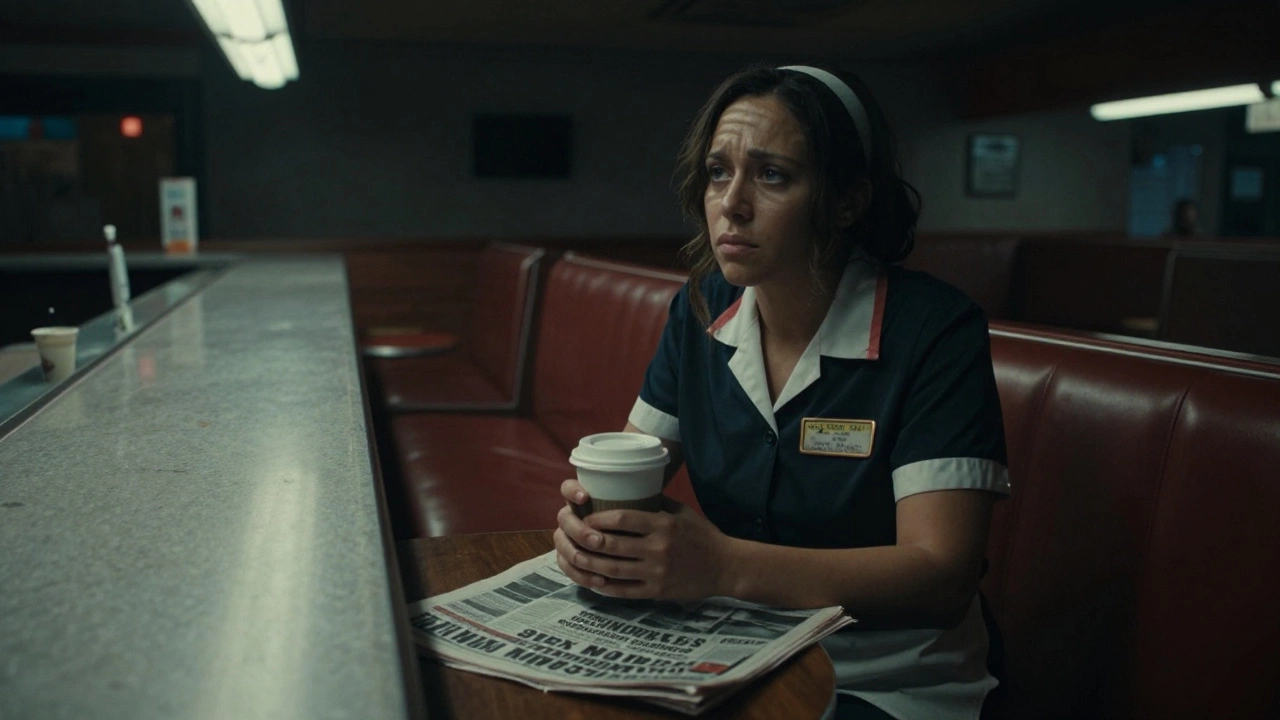
Tea grew up in a world where social services were either broken or hostile to queer youth. She didn’t have access to housing programs, mental health care, or job training. The only thing that worked was her body. And when she tried to leave sex work - even when she got a job at a diner, even when she started writing - the stigma followed her. Employers saw her past. Judges saw her past. Friends sometimes turned away. The law didn’t protect her; it hunted her.
This isn’t just a story from the 90s. It’s happening now. In cities across the U.S., in London, in Sydney, in Manila. People are still trading sex for survival. And the policies haven’t changed much. Criminalization doesn’t reduce demand. It just pushes it underground, where people are more vulnerable to violence, exploitation, and arrest. Tea’s book is a quiet protest against that system. It says: These are human beings. Not criminals. Not statistics. Not punchlines.
Why This Book Still Matters
Twenty years after it was published, Rent Girl feels more urgent than ever. We live in a time where algorithms decide who sees what. You scroll past ads for escort dubai and think it’s all fantasy, all curated lighting and designer clothes. But behind every glossy post, there’s a real person - someone who might be doing this because they have no other choice. Tea’s book pulls back the curtain. It doesn’t tell you how to fix the system. It just shows you what the system does to real people.
She writes about the loneliness. The way she’d lie awake after a client left, wondering if anyone would ever love her for who she was, not what she could do. She writes about the friendships she made with other sex workers - the ones who shared food, who watched each other’s backs, who knew the exact tone of voice to use when a client got too aggressive. These weren’t just transactions. They were lifelines.
How Society Uses Shame to Control
Shame is the weapon. It’s the reason people don’t talk about this. It’s why politicians can pass laws that hurt sex workers and call it "protecting women." It’s why families disown their children. It’s why shelters turn people away. Tea was called a slut. A junkie. A failure. But she kept writing. She kept surviving. And in doing so, she gave voice to thousands who never got the chance.
There’s a line in the book where she says, "I didn’t choose this life. I chose to live." That’s the difference. She didn’t choose sex work. She chose to survive it. And that’s a radical act.
What We Miss When We Look Away
When you see a woman in a miniskirt standing near a bus stop, what do you think? Do you assume she’s dangerous? Do you assume she’s lying? Do you assume she’s broken? Tea’s book forces you to look again. To see the person. The hunger. The fear. The courage.
There’s a scene where she’s walking home after a long night. It’s raining. She’s got no umbrella. Her shoes are falling apart. She passes a store window with a sign that says banana republic uae website. She laughs - not because it’s funny, but because it’s absurd. A brand selling "authentic" American style to people halfway across the world, while she’s trying to stay warm with a thin jacket and a pocketful of crumpled bills. The world is full of contradictions. And she’s living in the cracks.

It’s Not About Morality. It’s About Power.
People argue about whether sex work is exploitation or empowerment. Tea doesn’t waste time on that debate. She shows you the power dynamics. Who has money? Who has safety? Who gets to decide what’s moral? The clients? The cops? The politicians? Or the people doing the work?
She writes about a time she got arrested. The officer asked her if she wanted to go to rehab. She said no. He said, "You’re not a bad person. You’re just sick." She didn’t say anything. She just thought: If I’m sick, then what does that make you? The system doesn’t offer help. It offers punishment dressed up as care.
Why You Should Read This Book
If you’ve ever thought sex work was a choice made in luxury - if you’ve ever scrolled past an ad for cheap escort in dubai and thought it was all glamour - then you need to read this book. Not to feel guilty. Not to feel sorry. But to understand. To see the person behind the stereotype. To recognize that survival isn’t a sin. And that dignity doesn’t come from how much money you make. It comes from having the right to choose your own path - even when that path is paved with pain.
Rent Girl isn’t a book you finish and forget. It’s one that stays with you. It changes the way you see people on the street. It changes the way you think about justice. It changes the way you listen.